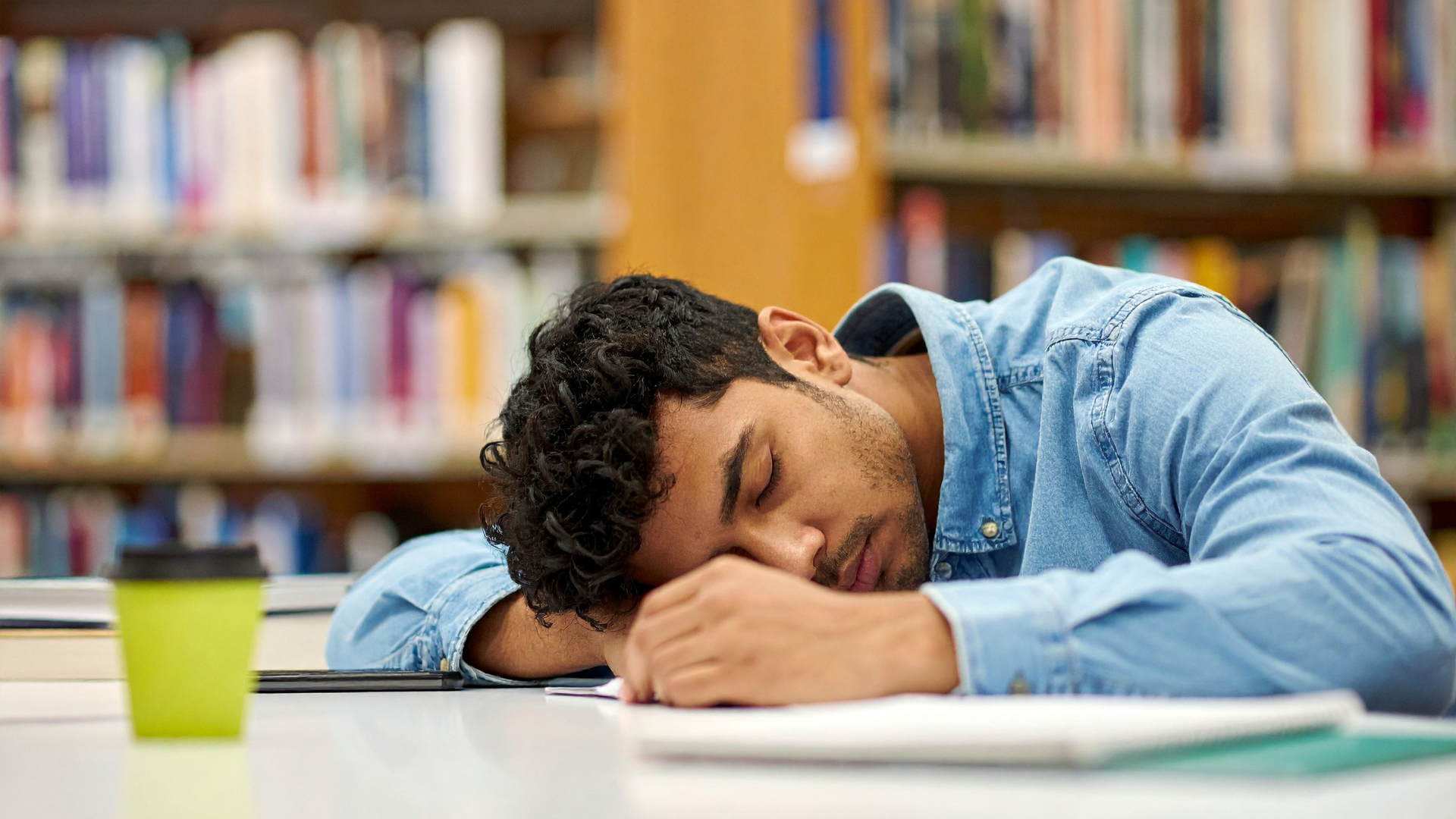

You snore at least, that’s what your partner keeps telling you. Or maybe you’re sleeping a full 8 hours but still dragging through the day like you barely got four. Or here’s the one that actually scares people: someone watches you sleep and sees you stop breathing for a few seconds before gasping back awake.
Any of these situations? That’s usually when a doctor brings up a sleep study test.
A polysomnography test (or PSG test, as most doctors call it) is basically the most thorough way to find out what’s going wrong while you’re asleep. No blood draws, no surgery, just sensors, a night of sleep, and a whole lot of useful data. It’s been around for decades, and it’s still considered the gold standard for diagnosing sleep disorders.
Let’s get into how it works, what it picks up, and whether you really need to sleep in a lab for it.
What Is Polysomnography, Exactly?
Polysomnography is a sleep test, but calling it “just a sleep test” undersells it a bit. It records your brain waves, eye movements, heart rate, breathing, oxygen levels, and leg movements, all at the same time, while you’re sleeping. That’s what PSG boils down to: “poly” for many, “somno” for sleep, and “graphy” for recording.
What makes this sleep analysis different from, say, wearing a fitness tracker to bed is the level of detail. It doesn’t just tell you that you woke up three times. It tells your doctor why you woke up whether it was because your airway collapsed, your oxygen dropped, your legs jerked, or your brain just never went into deep sleep properly.
A polysomnography sleep test is usually done overnight at a sleep lab or sleep laboratory. But there’s also a home version now, which we’ll cover below.
Must read: What Is A Sleep Study Test And Why Do You Need One?
What Can a Sleep Study Diagnose?
More than most people expect. A lot of people assume a sleep study is only for snoring but that’s just the tip of it. Here’s what a sleep study can diagnose:
Obstructive Sleep Apnea (OSA) is the big one. This is where your airway physically closes up during sleep, sometimes hundreds of times a night. A sleep apnea test during polysomnography measures exactly how often this happens and how severe it is. Most people with OSA have no idea they have it, they just know they’re exhausted all the time.
Central Sleep Apnea is different; the airway doesn’t block, but the brain stops telling the body to breathe. Less common, more concerning.
Then there’s narcolepsy (falling asleep suddenly during the day), periodic limb movement disorder (your legs kick or twitch without you knowing), and REM sleep behaviour disorder (physically acting out dreams, punching, yelling, falling out of bed).
Even chronic insomnia sometimes needs a polysomnography test to rule out hidden causes that aren’t obvious from just talking to a patient.
So if you’re constantly tired, if people tell you that you gasp in your sleep, or if you’re waking up with headaches you can’t explain, it might be worth looking into.
How Is a Sleep Study Actually Done?
This is where people get nervous. “You want me to sleep with wires on my face in a strange room?” Fair reaction. But honestly, it’s much less dramatic than it sounds.
At a Sleep Clinic or Sleep Lab
You show up at the sleep clinic a couple of hours before your normal bedtime. A technician sticks small sensors to your scalp, temples, chest, and legs, nothing sharp, just adhesive patches. These connect to a sleep study machine that quietly records data all night long. There’s also a clip on your finger for oxygen and soft belts around your torso for breathing.
The wires are long enough to let you roll over and shift positions. And most sleep centres these days have set up their rooms to feel more like a hotel than a hospital dim lights, decent pillows, quiet space. You sleep, the machine records, and a technician keeps an eye on things from another room. Morning comes, everything peels off, and you head home.
Must read: Looking for a Sleep Study Test in Mumbai?
Home Sleep Study
If your doctor mainly suspects sleep apnea and nothing else, you might not need the full lab setup. A sleep apnea test at home uses a smaller, portable device you strap on before bed. It tracks your airflow, oxygen, breathing effort, and heart rate, fewer things than a full PSG test, but usually enough to catch sleep apnea.
A home sleep study is cheaper and obviously more comfortable. But it has gaps. There’s no technician watching if a sensor falls off at 2 AM. And it won’t pick up conditions like narcolepsy or limb movement disorders. A sleep study test at home works well as a first step, but if results come back unclear, you’ll likely need the in-lab version anyway.
You might see this referred to as a level 3 sleep study. It uses fewer recording channels than the full level 1 polysomnography done at a sleep laboratory, which is why it costs less but also catches less.
Preparing for Your Sleep Study
Nothing complicated here. A few practical things:
Avoid caffeine and alcohol the day of the test. Both mess with your sleep architecture and can throw off the results. No afternoon nap either, you want to be properly sleepy by bedtime.
Skip lotions, hair gel, and face creams. The sensors need to stick to clean skin to work properly. Bring your usual sleepwear and whatever makes bedtime feel normal: a book, your phone charger, your own pillow if you want.
And make sure your sleep doctor knows about every medication you’re on. Some antidepressants and sleep aids can alter sleep stages, which affects how the data reads.
Must read: How to Improve Sleep Quality and Its Impact on Health
What Happens After the Test?
A sleep specialist goes through the recorded data, brain waves, breathing events, oxygen patterns, heart rhythm, and movement. This takes anywhere from a few days to a couple of weeks. The final report breaks down your total sleep time, how long you spent in each stage, your Apnea-Hypopnea Index (AHI), and anything unusual that showed up.
Based on the sleep analysis, your sleep doctor figures out the next steps. That could be anything from positional changes and weight management to a CPAP machine, oral appliance, or further testing. The point is, you finally stop guessing and start working with actual data.
Finding a Polysomnography Test Near You
If you’ve been searching for a polysomnography test near you, whether it’s a dedicated sleep clinic, a hospital-based sleep lab, or a standalone centre, don’t just pick the cheapest option. Not all labs are equal.
What matters: accredited lab sleep specialists reading your results, properly calibrated equipment, and a team that actually explains things to you in plain language (not just hands you a 10-page report and sends you off).
Remesleep offers both in-lab and home sleep study options with experienced sleep specialists who walk you through the entire process before, during, and after. Whether it’s a full polysomnography or a home-based sleep apnea test, the focus is on getting answers, not just data.
FAQs
Is sleep study painful?
No. There are no needles involved. Small sensors are stuck to your skin with adhesive; that’s it. The only awkward part is falling asleep somewhere new, and most people adjust faster than they expect.
Can I do a sleep apnea test at home?
Yes, if your doctor suspects obstructive sleep apnea specifically. You wear a portable device overnight. It won’t catch everything a lab study would, but for straightforward sleep apnea screening, it works well.
How long does it take?
One night. You need at least 2 hours of actual sleep for the data to be usable. Results usually come back within a week or two.
What’s a level 3 sleep study?
It’s essentially the home version with fewer sensors, fewer channels. Good for detecting sleep apnea, but not detailed enough for other disorders.
What if I can’t fall asleep?
Happens sometimes. The technicians expect it. Even partial sleep data can be useful, and if needed, the study can be repeated.
How do I know if I need one?
Loud snoring, gasping during sleep, waking up tired every day, morning headaches, or a partner who says you stop breathing at night. If any of that rings a bell, talk to your doctor about a sleep test.