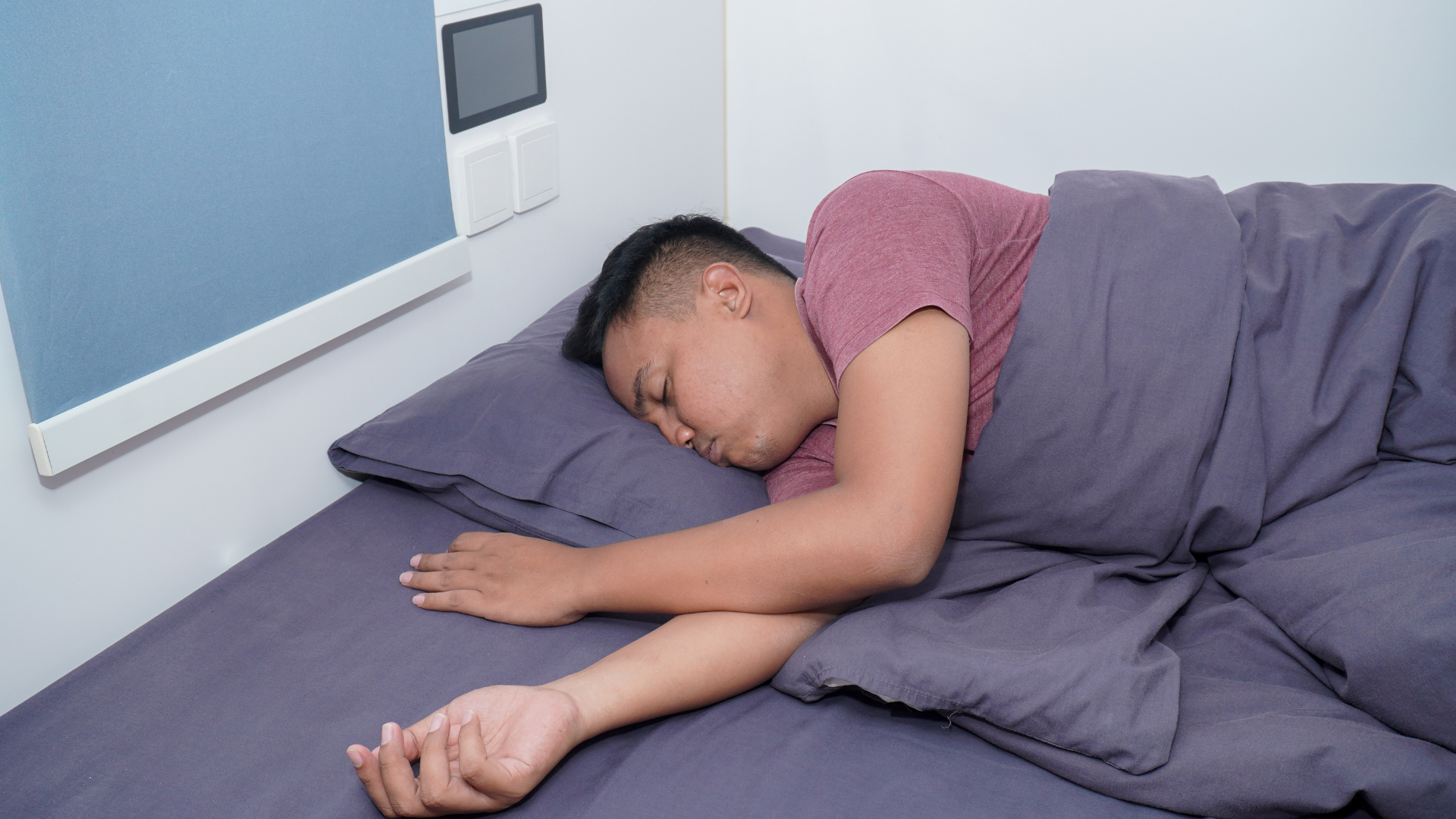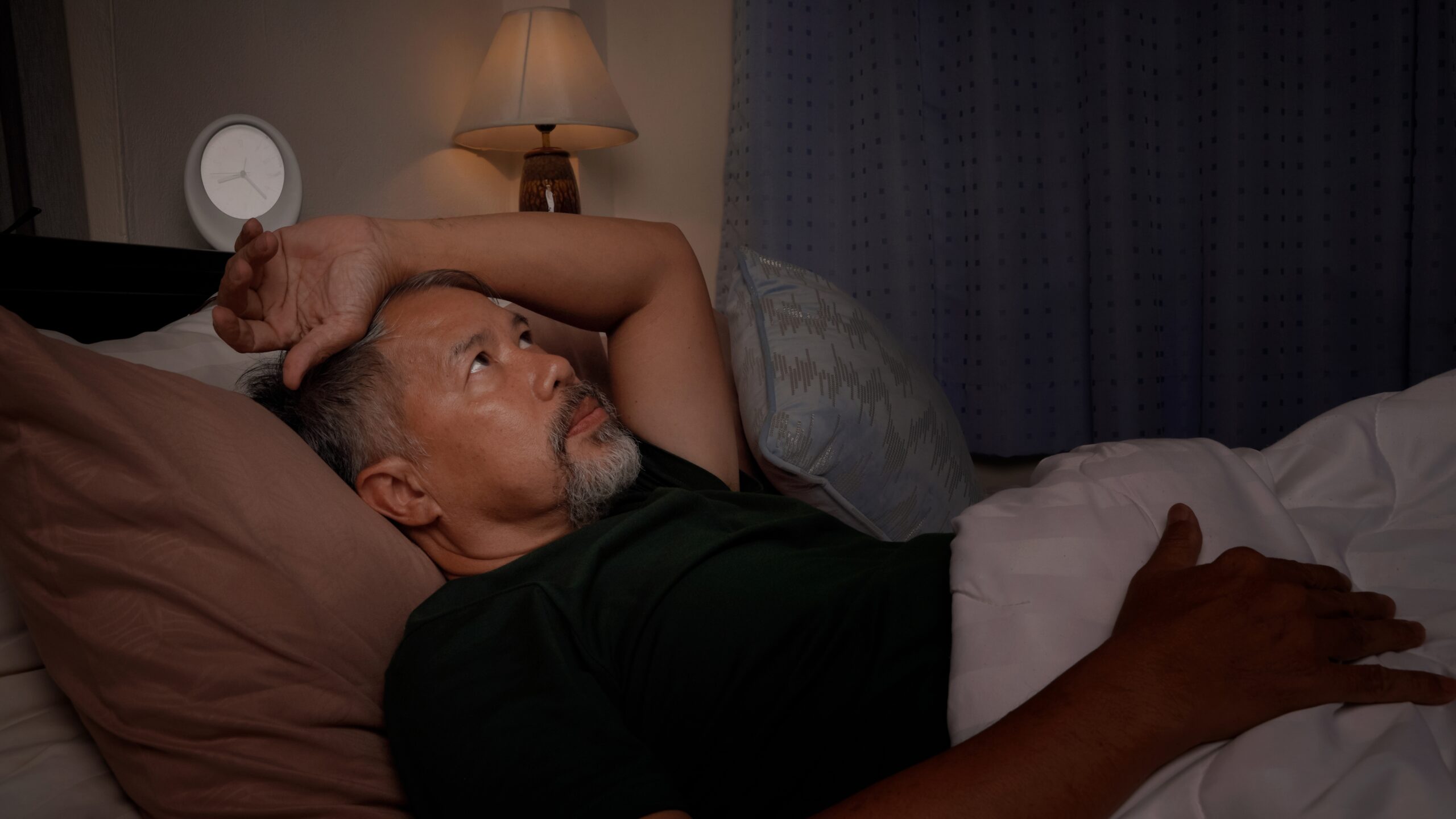

You’re sound asleep, and then you sit up, eyes open, and start talking to someone who isn’t there. Or maybe you wake up drenched in sweat, heart hammering, with no memory of the nightmare that caused it. Perhaps your partner tells you that you kicked, punched, or screamed in your sleep last night. You had no idea.
Welcome to the world of parasomnias.
These are the sleep disorders nobody talks about enough, probably because they sound made up until they happen to you. But parasomnias are real, they’re surprisingly common, and for some people, they’re more than just a strange bedtime story.
What Is a Parasomnia?
A parasomnia is any abnormal behaviour, movement, or experience that happens while you’re falling asleep, during sleep, or while waking up. The term covers a wide range of events, from harmless sleep talking to physically acting out violent dreams.
Most people will experience at least one parasomnia in their lifetime. Children are especially prone. If you sleepwalked as a kid or talked in your sleep during exam week, that counts.
What separates a parasomnia from a bad night is this: you’re not fully awake and not fully asleep. Your brain gets stuck between states, and your body does things your conscious mind never agreed to.
The Two Main Categories
Sleep experts classify parasomnias based on when they happen in your sleep cycle. This matters because your brain is doing very different things during each stage.
NREM parasomnias occur during non-rapid eye movement sleep, the deeper, dreamless stages. These tend to happen in the first third of the night, when deep sleep is most concentrated. You’re unlikely to remember any of it.
Common NREM parasomnias include:
- Sleepwalking – Getting up and moving around, sometimes performing complex activities, all while asleep. Eyes may be open. Memory of the event? Usually zero.
- Sleep terrors – Sudden episodes of intense fear. Screaming, thrashing, rapid heart rate. Unlike nightmares, the person usually can’t be fully woken and won’t recall the episode.
- Confusional arousals – Waking up in a foggy, disoriented state. You might sit up, look around, mumble, and have no clue where you are. More common in children.
- Sleep-related eating disorder – Eating during partial arousals, sometimes bizarre food combinations, with little to no memory afterwards.
REM parasomnias happen during rapid eye movement sleep, the stage where your most vivid dreams occur. These tend to show up later in the night.
Common REM parasomnias include:
- Nightmare disorder – Frequent, disturbing dreams that wake you up and leave you alert, anxious, and struggling to fall back asleep.
- Sleep paralysis – You’re awake, mentally alert, but your body won’t move. It can last seconds to minutes. Some people also experience hallucinations during episodes. Terrifying, but not physically dangerous.
- REM sleep behaviour disorder (RBD) – Normally, your muscles are temporarily paralysed during REM sleep so you don’t act out your dreams. With RBD, that paralysis doesn’t kick in. People may punch, kick, shout, or leap out of bed while dreaming. It’s more common in older adults and can sometimes be an early sign of a neurological condition.
There are also a few parasomnias that don’t fit neatly into either category — sleep talking (somniloquy), bedwetting (sleep enuresis), and exploding head syndrome (a sudden loud noise or flash when falling asleep, which sounds dramatic but is harmless).
What Causes Them?
No single cause. But researchers have identified several factors that make parasomnias more likely:
- Sleep deprivation is one of the biggest triggers. When you’re running on too little sleep, your brain struggles to transition smoothly between stages. That’s when things go sideways.
- Stress and anxiety play a clear role. Mental health conditions like depression and PTSD have been linked to higher rates of parasomnias, particularly nightmares and sleep terrors.
- Genetics matter. If your parents sleepwalked, you’re more likely to as well. The same applies to sleep terrors and other NREM parasomnias.
- Disrupted sleep from any source, such as sleep apnea, restless leg syndrome, a noisy environment, or shift work, can set the stage. Alcohol, certain medications (especially some antidepressants), and fever can also act as triggers.
In children, parasomnias are often part of normal development and tend to fade with age. In adults, they’re more likely to persist or signal something else going on.
When Should You Actually Worry?
Most parasomnias are harmless. Occasional sleep talking or a rare nightmare isn’t a cause for concern.
But there are situations where you should talk to a doctor:
- Episodes are frequent, happening multiple times a week.
- There’s a risk of injury to yourself or a bed partner, especially with sleepwalking or RBD.
- Your sleep quality is taking a hit, with daytime fatigue, difficulty functioning, and mood changes.
- Symptoms appeared suddenly in adulthood, particularly with RBD, which can be associated with conditions like Parkinson’s disease.
- You’re doing things in your sleep that feel out of character, eating, leaving the house, and engaging in complex activities.
If any of that resonates, it’s worth bringing up with your doctor. A sleep study (polysomnography) can help pinpoint what’s happening and rule out other sleep disorders.
How Parasomnias Are Treated
Treatment depends on the type, the severity, and what’s driving it. In many cases, especially with children, no treatment is needed at all beyond reassurance and patience.
For adults, the approach usually starts with the basics:
- Sleep hygiene comes first. A consistent sleep schedule, a cool and dark bedroom, limited caffeine and alcohol, and winding down before bed can reduce the frequency of episodes significantly.
- Addressing underlying triggers is often the most effective move. Treating sleep apnea, managing stress, or adjusting a medication that’s disrupting your sleep can resolve the parasomnia entirely.
- Cognitive behavioural therapy (CBT) works well, especially for nightmare disorder and parasomnias tied to anxiety or PTSD.
- Medication is typically reserved for more severe or dangerous cases. Clonazepam is commonly used for RBD. Certain antidepressants may help with nightmares. Your doctor will weigh the benefits against side effects.
- Safety precautions matter for anyone who sleepwalks or has RBD. That means keeping the bedroom free of sharp objects, locking windows and doors, sleeping on a low bed, and in some cases, sleeping apart from a partner temporarily.