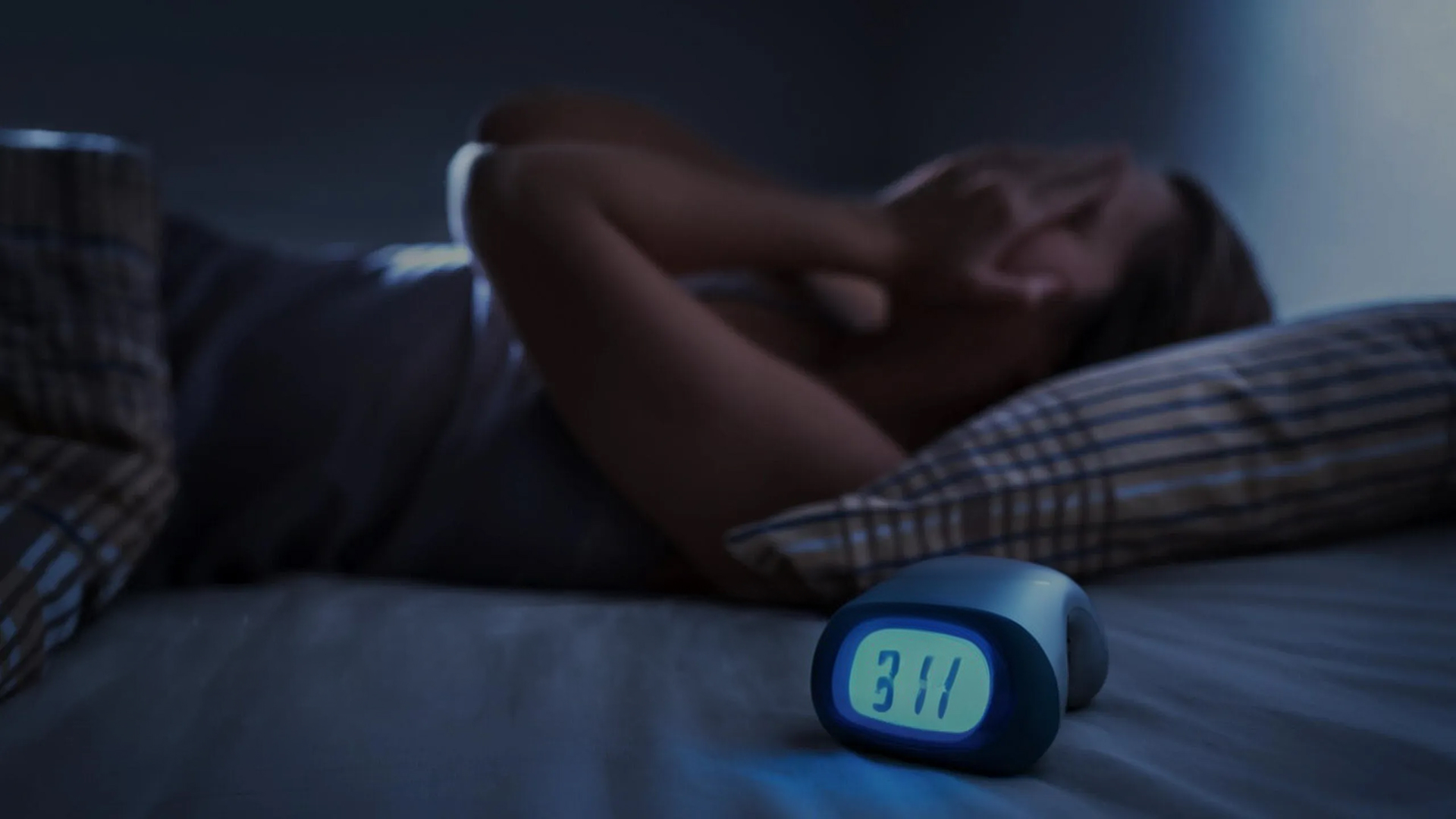

Sleep isn’t a luxury. It’s something your body genuinely needs to function properly. Yet so many of us treat it like an afterthought, staying up late scrolling through our phones, convincing ourselves that 5 or 6 hours is enough, or simply accepting poor sleep as normal.
Here’s the thing: when you sleep well, everything else falls into place. Your mood improves. You think more clearly. Your body heals faster. And when sleep goes wrong? Well, that’s when the problems begin.
Why Does Sleep Matter So Much?
Your body does remarkable things while you’re asleep. This is when tissues repair themselves, memories get consolidated, and hormones that regulate appetite and growth are released. Without adequate deep sleep and REM sleep, none of this happens properly.
REM sleep, short for rapid eye movement, is particularly fascinating. This is the stage where you dream, and it’s crucial for emotional regulation and learning. Your brain cycles through different stages of sleep multiple times each night, and each stage serves a distinct purpose.
So how many hours of sleep is required? Most adults need between 7 to 8 hours. Is 5 hours of sleep enough? Honestly, no. Is 7 hours of sleep enough? For some people, yes, but most benefit from a full 8 hours.
Must read: Mouth Breathing And Sleep Disorders In Children
What Happens When You Don’t Sleep Well
Poor night sleep doesn’t just leave you feeling tired. The effects run much deeper:
- Your immune system weakens. People who consistently sleep badly get sick more often. Your body needs rest to fight off infections effectively.
- Weight management becomes harder. Sleep deprivation messes with the hormones that control hunger. You end up craving sugary, high-calorie foods when you’re tired.
- Heart health suffers. Research consistently links poor sleep to higher blood pressure and increased risk of cardiovascular problems.
- Mental clarity drops. Ever tried to focus on work after a bad night? Your concentration, decision-making, and memory all take a hit.
- Mood swings increase. Irritability, anxiety, and even depression are more common among people who regularly struggle with sleep.
Why Can’t I Fall Asleep?
If you lie in bed wondering how to fall asleep fast, you’re not alone. Several factors could be keeping you awake:
- Stress and racing thoughts – Your mind replays the day’s events or worries about tomorrow. This is incredibly common and makes it hard to relax enough to drift off.
- Poor sleep hygiene – Irregular bedtimes, screen exposure before bed, caffeine late in the day these habits disrupt your natural sleep cycle.
- Underlying conditions – Sleep apnea, where your breathing repeatedly stops during the night, is more common than people realize. Insomnia is another issue that affects millions.
- Environment problems – Too much light, noise, or an uncomfortable temperature can prevent you from staying asleep through the night.
Must read: Sleep Paralysis 101: What Happens When You Can’t Move
Practical Tips to Improve Sleep Quality
You’ve probably seen advice about how to sleep better at night naturally. Let’s focus on what actually works:
- Stick to a consistent sleep schedule. Your body has an internal clock. When you go to sleep and wake up at the same time every day even weekends this clock runs smoothly. Random bedtimes confuse your system.
- Create proper sleep conditions. Your bedroom should be dark, cool, and quiet. Think of it as setting the stage for good sleep. A comfortable mattress and pillow matter more than most people admit.
- Watch what you consume. Caffeine stays in your system longer than you’d think avoid it after early afternoon. Alcohol might make you drowsy initially but disrupts sleep quality later in the night. Heavy meals close to bedtime can also cause discomfort.
- Get moving during the day. Regular exercise promotes better sleep, but timing matters. Working out too close to bedtime can actually keep you awake. Aim for morning or afternoon sessions.
- Wind down properly. What do you do before going to sleep? If the answer involves scrolling through social media or watching intense shows, that’s likely part of the problem. Blue light from screens interferes with melatonin production. Try reading, light stretching, or relaxation techniques instead.
- Manage stress actively. Deep breathing, meditation, or even writing down tomorrow’s to-do list can help quiet an anxious mind. Whatever helps you release the day’s tension do that.
When Home Remedies Aren’t Enough
Sometimes, despite following all the sleeping tips, you still struggle. Waking up multiple times at night, loud snoring that disturbs your partner, or waking up exhausted despite spending 8 hours in bed these are signs something deeper might be happening.
Sleep apnea is one possibility. It’s a condition where your airway gets blocked during sleep, causing your breathing to pause repeatedly. Your brain keeps waking you up slightly to resume breathing, which means you never reach the restorative deep sleep stages. Many people have sleep apnea without even knowing it.
Chronic insomnia is another issue that can’t always be fixed with chamomile tea and a good sleep routine. When you consistently can’t fall asleep or stay asleep despite your best efforts, it’s time for professional help.
How RemeSleep Can Help
At RemeSleep, we understand that sleep disorders need proper diagnosis and personalized treatment not just generic advice. Our approach combines clinical expertise with practical, sustainable solutions.
- Home sleep studies let us monitor your breathing, oxygen levels, and heart rate while you sleep in your own bed. No need to spend the night in an unfamiliar clinic.
- CPAP and BiPAP therapy for sleep apnea patients, with ongoing support to ensure the treatment actually works for you.
- Cognitive Behavioural Therapy for Insomnia (CBT-I) – this is a pill-free treatment approach recommended by the American Academy of Sleep Medicine. It addresses the root causes of insomnia rather than just masking symptoms.
- Lifestyle and nutrition guidance because what you eat and how you live directly affects how you sleep.
Must read: What Is a Healthy Sleep Cycle and Why Is It Important?
Our sleep specialists work with you to identify what’s actually going wrong and create a treatment plan that fits your life. We don’t believe in one-size-fits-all solutions.