
Are you tossing and turning all night? Waking up exhausted even after eight hours in bed? You’re not alone. Millions of people struggle with sleep issues, and a sleep study test might be exactly what you need to figure out what’s going wrong.
Let’s break down how sleep testing works, what to expect, and whether you should consider an in-home sleep study test or visit a sleep clinic near you.
What Is a Sleep Study Test?
A sleep study, or polysomnography if you want the fancy medical term, is an overnight test that tracks what your body does while you’re asleep. Sensors monitor things like your breathing, heart rate, brain activity, oxygen levels, and even leg movements.
Why does this matter? Because many sleep problems happen without you realizing it. You might stop breathing dozens of times each night and have no idea. A polysomnography test catches all of this, giving doctors the full picture of your sleep health.
What Problems Can a Sleep Test?
A sleep test helps diagnose conditions you might not even know you have. The most common one is sleep apnea, a condition where your breathing repeatedly stops and starts throughout the night. An apnea test can confirm whether this is disrupting your rest.
Other conditions include insomnia, restless leg syndrome, and narcolepsy. If you’ve been dealing with loud snoring, gasping awake at night, or feeling wiped out during the day, these could be signs that something deeper is going on.
What Happens During the Sleep Study Test Procedure?
At a Sleep Clinic
If your doctor sends you to a sleep clinic, here’s the deal. You’ll show up in the evening and get your own private room. Think of it like a comfortable hotel room, not a sterile hospital ward.
A technician will attach small sensors to your scalp, face, chest, and legs. Don’t worry, it’s completely painless. These sensors just stick on with a bit of paste or tape. Then you do what you came to do: sleep.
Throughout the night, the equipment records everything. A sleep doctor monitors the data from another room. When morning comes, they remove the sensors, and you head home. Easy.
Getting Your Sleep Study Test Results
After the test, a sleep apnea specialist or sleep doctor reviews all that data. They’ll look for patterns like how often you stopped breathing or how restless your legs were. Based on the sleep study test results, they’ll recommend treatment options tailored to you.
Looking for a sleep doctor near me? Your regular doctor can point you toward qualified specialists in your area. For those exploring innovative treatments, options like RemeSleep are becoming popular for managing sleep apnea without traditional CPAP machines.
Prefer Testing at Home? Here’s How a Home Sleep Test Works
Not everyone wants to spend a night in a clinic. Good news, a sleep study test at home is now a real option for many people.
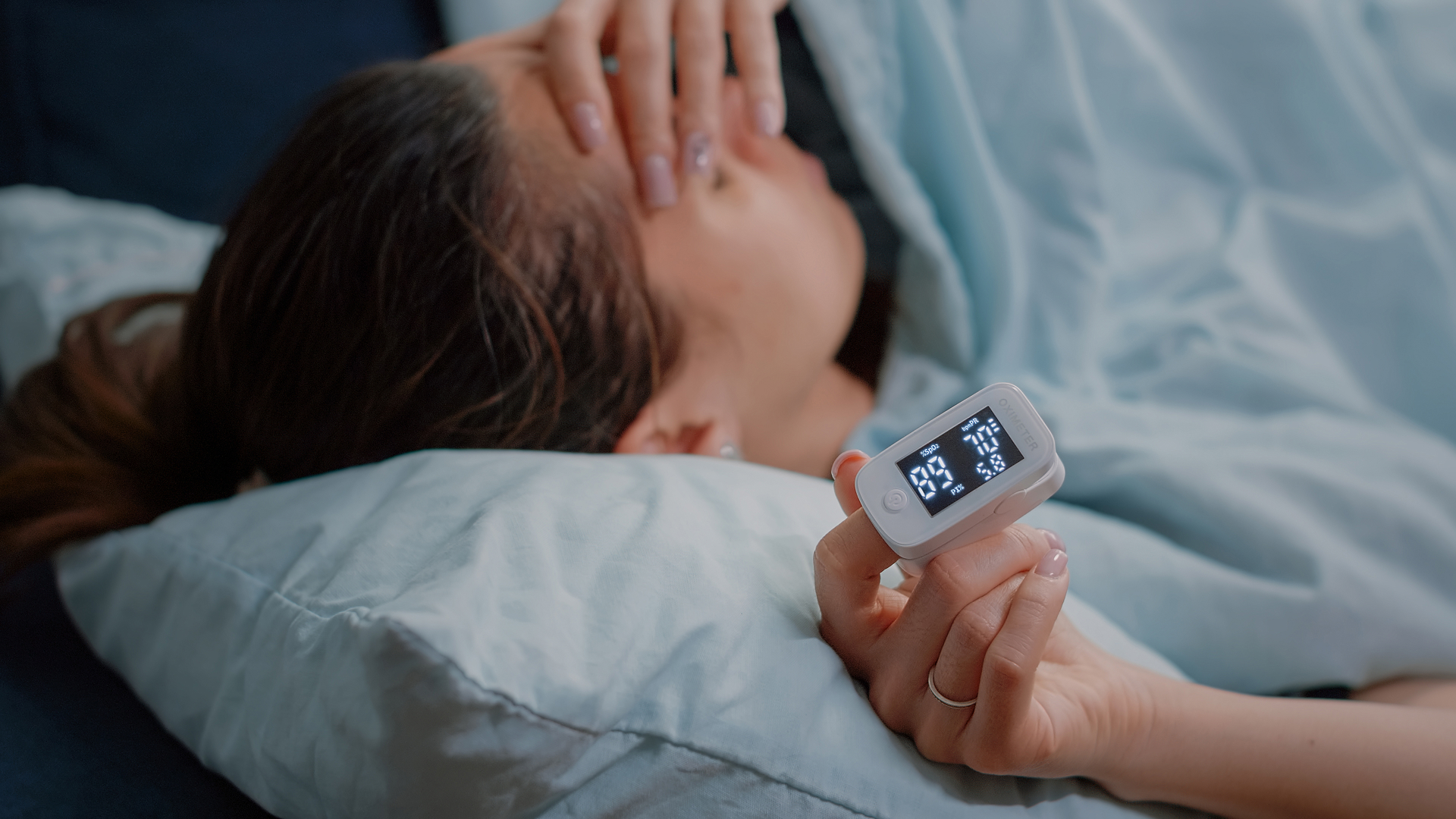
With an in-home sleep study test, you receive a simple device with clear instructions. Before bed, you strap on the sensors yourself. The device quietly collects data while you sleep in your own bed, with your own pillow, in your own pajamas.
A sleep apnea test at home works great for detecting obstructive sleep apnea specifically. It’s less comprehensive than lab testing, but for straightforward cases, it does the job well. Plus, many people sleep better at home, which can lead to more accurate results.
If you’ve been searching for a home sleep test option, ask your doctor if you’re a good candidate.
How Much Does a Sleep Study Test Cost?
The sleep study test cost depends on where you go and what type of test you need.
Lab-based polysomnography at a sleep clinic tends to be pricier because of facility costs and overnight staffing. A home sleep test is usually more budget-friendly and often covered by insurance.
For those specifically looking at a sleep study test in Mumbai or other major cities, prices vary between hospitals and diagnostic centers. It’s worth calling around, comparing quotes, and checking what your insurance covers before booking.
Tips to Prepare for Your Sleep Test
Want the most accurate results? Here’s what to do before your sleep study test appointment:
- Stick to your normal routine during the day
- Skip the afternoon coffee and energy drinks since caffeine can throw off your results
- Avoid napping so you’re genuinely tired at bedtime
- If you’re heading to a clinic, pack comfortable sleepwear, your toothbrush, and maybe a book to help you wind down
- Let your doctor know about any medications you take, as some can interfere with the test