
Sleep medicine stands at a turning point. For decades, diagnosing sleep disorders demanded expensive laboratory equipment, lengthy wait times, and specialists manually sifting through hours of physiological data. That model served its purpose, but it left millions of people without answers unable to access testing, unwilling to endure the process, or simply unaware that their chronic fatigue had identifiable causes.
Artificial intelligence now offers a different path forward. Faster analysis. Broader access. Earlier detection. The technology isn’t perfect, and it won’t replace clinical expertise. But it’s already reshaping how practitioners identify sleep problems and how patients take charge of their own rest.
The Limitations of Traditional Sleep Testing
Understanding AI’s role requires recognising what came before it.
Polysomnography remains the gold standard for comprehensive sleep evaluation. Technicians attach electrodes to a patient’s scalp, face, chest, and legs. Sensors monitor brain activity, eye movements, muscle tone, heart rhythm, respiratory effort, airflow, and blood oxygen levels throughout the night. A trained specialist then reviews this data manually, scoring each sleep stage and cataloguing every apnea, arousal, and limb movement.
This process delivers accurate results. It also creates significant barriers.
Sleep laboratories charge substantial fees. Insurance coverage varies widely. Waiting lists stretch weeks or months in many regions. And the testing environment itself introduces problems, as patients struggle to sleep normally in unfamiliar clinical settings while attached to monitoring equipment.
These obstacles prevent countless people from ever receiving diagnoses. Conditions like obstructive sleep apnea, periodic limb movement disorder, and REM sleep behaviour disorder go undetected for years. The health consequences accumulate silently: cardiovascular strain, metabolic dysfunction, cognitive decline, diminished quality of life.
How Artificial Intelligence Changes the Equation
AI excels at exactly what makes sleep analysis so labour-intensive: processing massive datasets and identifying subtle patterns within them.
Machine learning algorithms now analyse polysomnography recordings with remarkable speed and precision. Tasks that require human technicians several hours to complete, these systems accomplish in minutes. Research consistently demonstrates that well-trained AI models match, and sometimes exceed specialist accuracy when detecting apneas, hypopneas, sleep stage transitions, and arousal events.
This efficiency matters practically. Clinics can process more studies in less time. Specialists can focus their attention on complex cases requiring nuanced judgment rather than routine scoring tasks. Patients receive results faster.
Consistency represents another crucial advantage. Human scorers, however skilled, introduce variability. Two technicians reviewing identical data sometimes reach different conclusions, particularly with ambiguous signals. Algorithms apply uniform criteria across every study, eliminating scorer-dependent discrepancies.
Several medical centres have already integrated AI-assisted analysis into their workflows. The technology handles initial data processing while clinicians retain interpretive authority and diagnostic responsibility. This collaborative model leverages computational power without sacrificing clinical oversight.
Bringing Sleep Assessment Into the Home
Laboratory polysomnography will always have a place in sleep medicine. Complex cases demand comprehensive evaluation under controlled conditions.
But not every patient needs that level of assessment. Many people presenting with straightforward symptoms, loud snoring, witnessed breathing pauses, and excessive daytime sleepiness benefit from simpler screening approaches. Home sleep testing addresses this need, and AI makes these devices considerably more capable.
Modern home sleep monitors track respiratory patterns, oxygen saturation, heart rate, and body position. Advanced wearables add heart rate variability analysis, movement detection, and skin temperature monitoring. AI algorithms process this information to identify signatures associated with sleep-disordered breathing and other conditions.
The clinical validation behind some of these tools has grown impressively robust. Peer-reviewed studies demonstrate that certain home devices, powered by machine learning analysis, detect moderate-to-severe obstructive sleep apnea with sensitivity and specificity approaching laboratory standards.
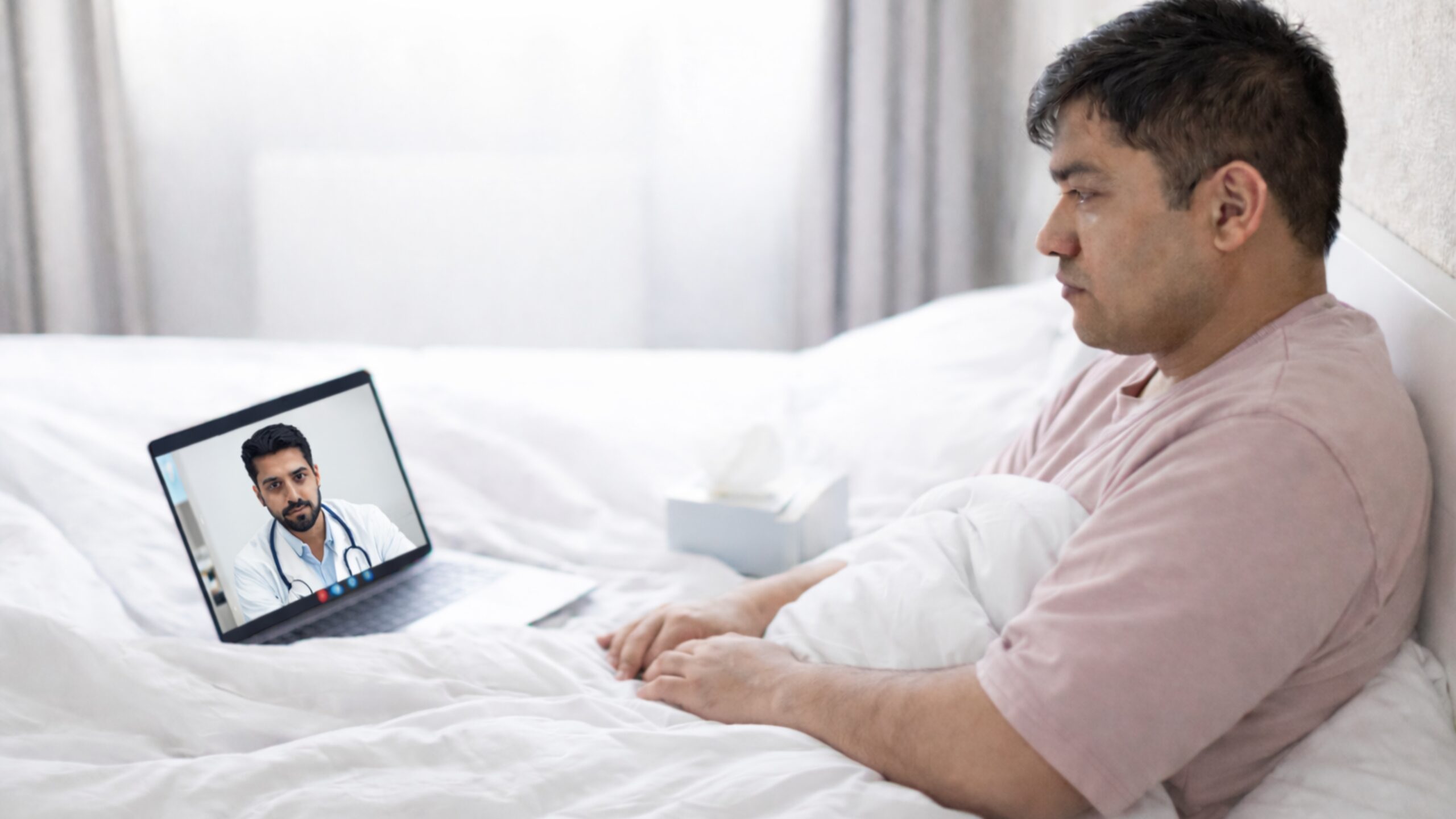
This accessibility transforms who can pursue answers about their sleep. Patients in rural areas without nearby sleep centres gain testing options. People who cannot afford laboratory fees find affordable alternatives. Those reluctant to spend nights in clinical facilities can gather meaningful data in their own beds.
Home testing powered by AI serves as an effective triage mechanism. It identifies individuals requiring formal evaluation while reassuring those whose sleep architecture appears normal. This stratification directs limited specialist resources toward patients who need them most.
Earlier Detection, Better Outcomes
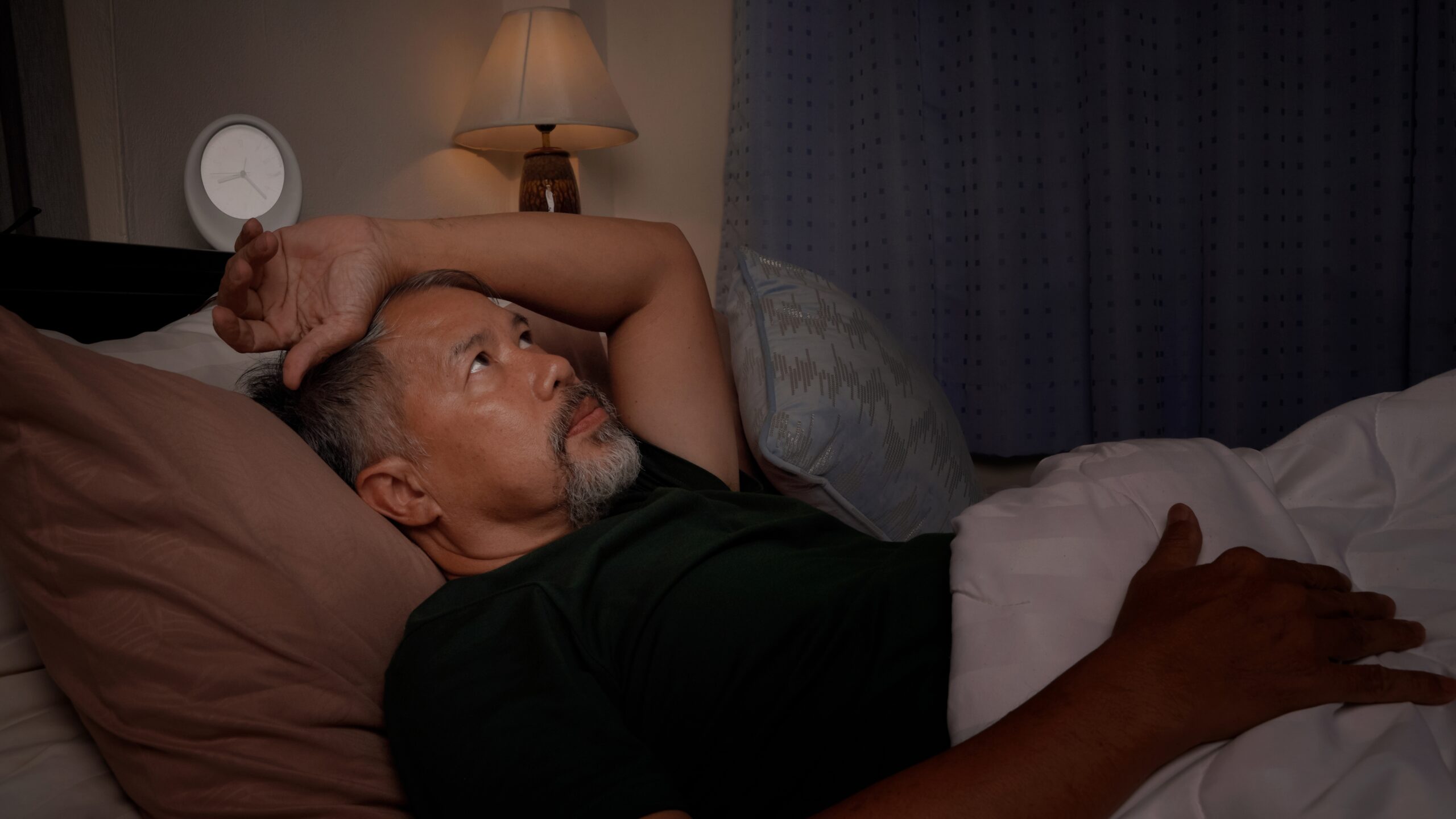
Sleep disorders develop gradually. Symptoms intensify slowly enough that people adapt without recognising the decline. By the time someone seeks medical attention, years of disrupted sleep have often already exacted their toll.
AI-driven analysis enables earlier identification. Algorithms detect subtle abnormalities that might escape notice during brief clinical encounters. They track longitudinal patterns across weeks and months, flagging progressive deterioration before it reaches diagnostic thresholds.
This capacity for early detection carries significant implications for conditions like obstructive sleep apnea. Untreated sleep apnea elevates cardiovascular risk substantially hypertension, arrhythmias, stroke, heart failure all occur at higher rates. Identifying the condition earlier means initiating treatment earlier, potentially preventing downstream complications.
Predictive capabilities extend further still. Some AI systems analyse sleep data alongside other health metrics to estimate future disease risk. While these applications remain relatively nascent, they point toward a future where sleep monitoring contributes to proactive, preventive healthcare rather than reactive diagnosis.
Appropriate Caution and Realistic Expectations
Enthusiasm for AI in sleep medicine should remain tempered by honest acknowledgment of limitations.
Consumer sleep trackers vary enormously in quality. Devices marketed with impressive-sounding features sometimes lack rigorous clinical validation. Users may receive inaccurate information that either provokes unnecessary anxiety or provides false reassurance. Distinguishing well-validated tools from marketing-driven products requires careful evaluation.
AI also cannot capture everything relevant to sleep health. Psychological factors, environmental conditions, medication effects, lifestyle patterns these contextual elements shape sleep quality profoundly but don’t register on physiological sensors. Comprehensive sleep assessment still requires conversation, history-taking, and clinical judgment that no algorithm replicates.
Data privacy deserves serious consideration as well. Sleep monitoring generates intimate health information. Users should understand how companies store, share, and potentially monetise their data before embracing these technologies uncritically.
Finally, AI serves best as a clinical tool rather than a replacement for clinical relationships. Technology can accelerate analysis, broaden access, and enhance detection capabilities. It cannot counsel patients, weigh competing diagnostic possibilities, or navigate the human complexities that accompany chronic health conditions.
The Direction Ahead
Integration will define the next phase of AI in sleep medicine. Wearable data will flow more seamlessly into electronic health records. Home monitoring will connect more directly with specialist consultation. AI analysis will handle routine tasks while clinicians address nuanced decisions requiring expertise and empathy.
The goal remains consistent: making quality sleep care available to more people. Reducing barriers. Accelerating diagnosis. Improving outcomes. Technology advancing health rather than complicating it.
Sleep influences virtually every dimension of wellbeing cognitive function, emotional regulation, metabolic health, immune resilience, longevity. Expanding access to accurate sleep assessment represents genuine progress toward healthier populations.