
At-home Sleep Diagnosis & Treatment
Struggling with sleep? Get diagnosed & treated from home.
If neglected or left untreated, these conditions can severely affect your health. Book a hassle free sleep study test at home and get diagnosed quickly.
Why RemeSleep
5,000+
Sleep Studies Completed
95%
Patients Recommend Us
90%
Apnea Reduction in 15 Days
500+
Active CPAP Users
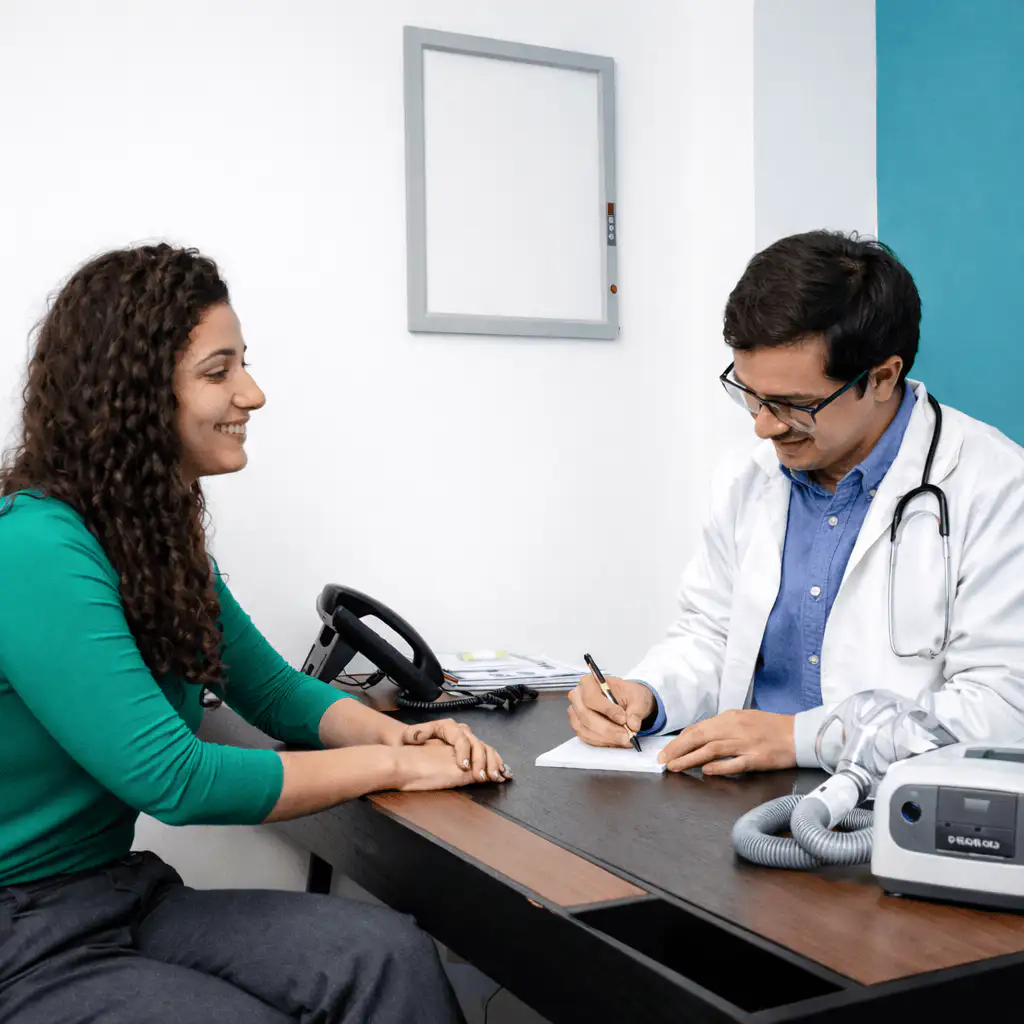
Free callback
Talk to our Sleep Coach for free
Tell us your name and phone number. We’ll help you take the right next step from symptoms to diagnosis and treatment.
Is This You?
Common signs of a sleep disorder
Loud Snoring
Your partner complains about your snoring – this is the #1 sign of sleep apnea.
Daytime Fatigue
Exhausted despite “enough” sleep, falling asleep at work, or struggling to focus.
High Blood Pressure
Morning BP spikes are strongly linked to untreated sleep apnea.
Can’t Fall Asleep
Racing thoughts, tossing and turning – classic signs of chronic insomnia.
Frequent Nighttime Awakenings
Waking up multiple times during the night or gasping/choking in your sleep can signal sleep apnea or fragmented sleep cycles.
Morning Headaches
Regular headaches upon waking are often linked to low oxygen levels during sleep, especially with untreated sleep apnea.
Difficulty Staying Asleep
Falling asleep easily but waking up too early – and not being able to fall back asleep is a common sign of insomnia.
Mood Changes or Irritability
Increased anxiety, depression, mood swings, or short temper can be caused by poor sleep quality over time.
Better sleep in simple steps
Book a Free Consultation
Fill the form or call us. Share your name, phone number, and main concern. No payment, no commitment. Callback within 30 minutes.
Expert Callback & Symptom Assessment
A sleep specialist calls you back to understand your symptoms, sleep history, and health concerns in detail.
At-Home Sleep Study
An FDA-approved device is delivered to your home. Wear it overnight to record key sleep parameters. No clinic visit needed.
Expert Diagnosis
Board-certified somnologists Dr. Subramanian Natarajan, Dr. Poonam and Dr Mohini will review your report and explain your diagnosis in a video consultation.
Personalised Treatment Plan
Receive a customised treatment plan — CPAP/BiPAP, CBT-I, or lifestyle guidance — with a dedicated sleep coach.
Ongoing Monitoring & Support
Your coach tracks progress, adjusts treatment, and ensures results. Most patients see significant improvement within 15 days.

Why choose us
Why patients choose RemeSleep
Led by India’s trusted sleep specialists
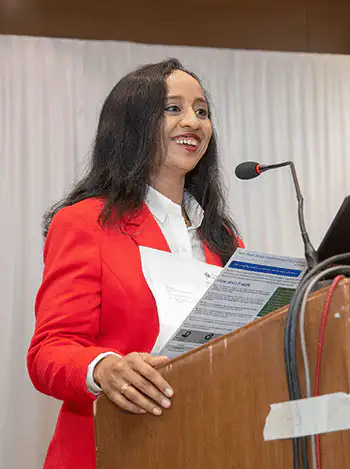
Dr. Poonam Natarajan
Specialist in sleep apnea, insomnia diagnosis & treatment. Known for personalised care at RemeSleep Mumbai.
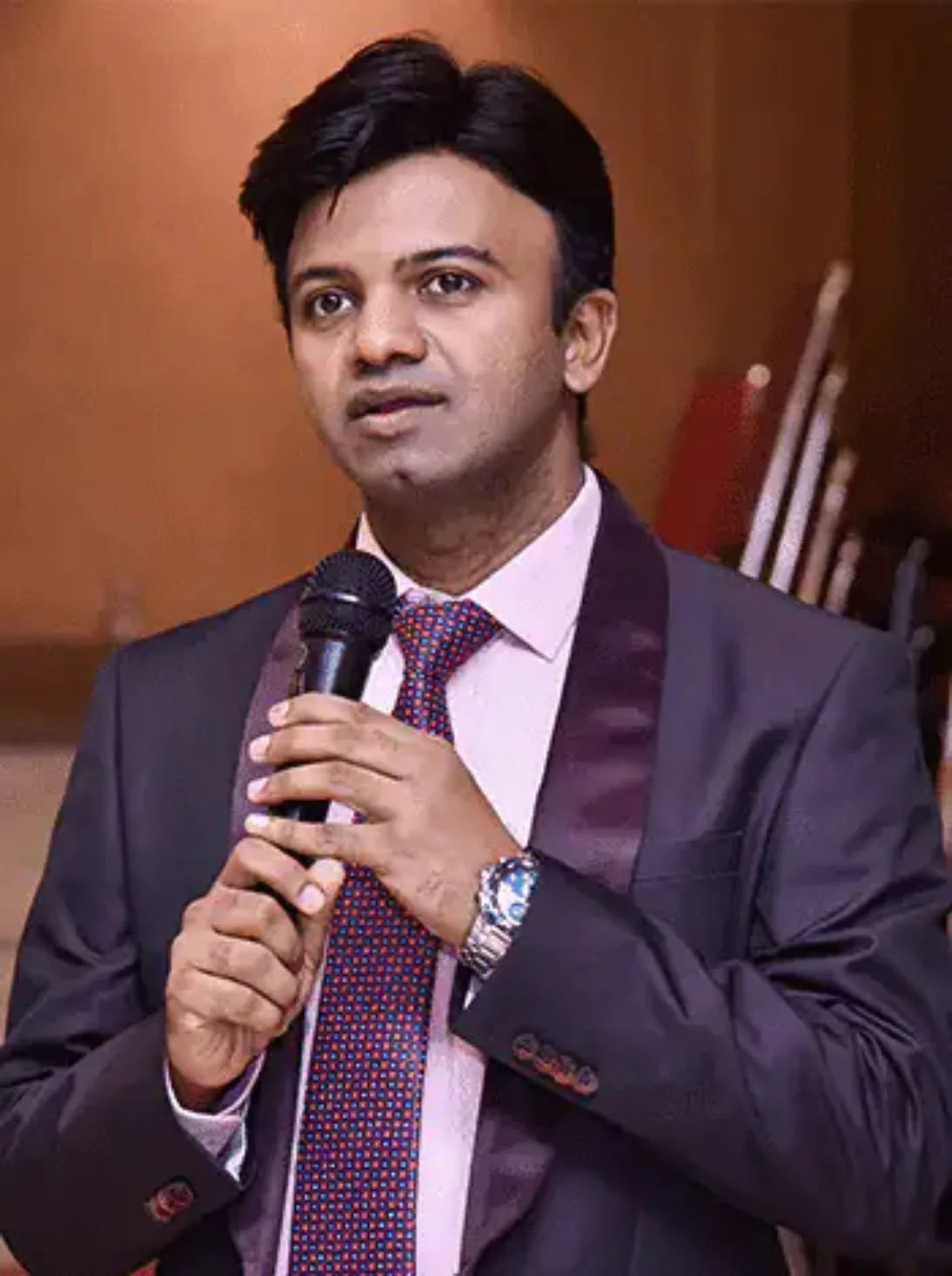
Dr. Subramanian Natarajan
Expert in respiratory & sleep medicine. Leads RemeSleep’s clinical programs and sleep lab evaluations.

Dr. Mohini Singh
A dentist and sleep consultant focused on identifying and managing sleep-related breathing disorders. Delivers personalised, non-invasive solutions to improve sleep quality.
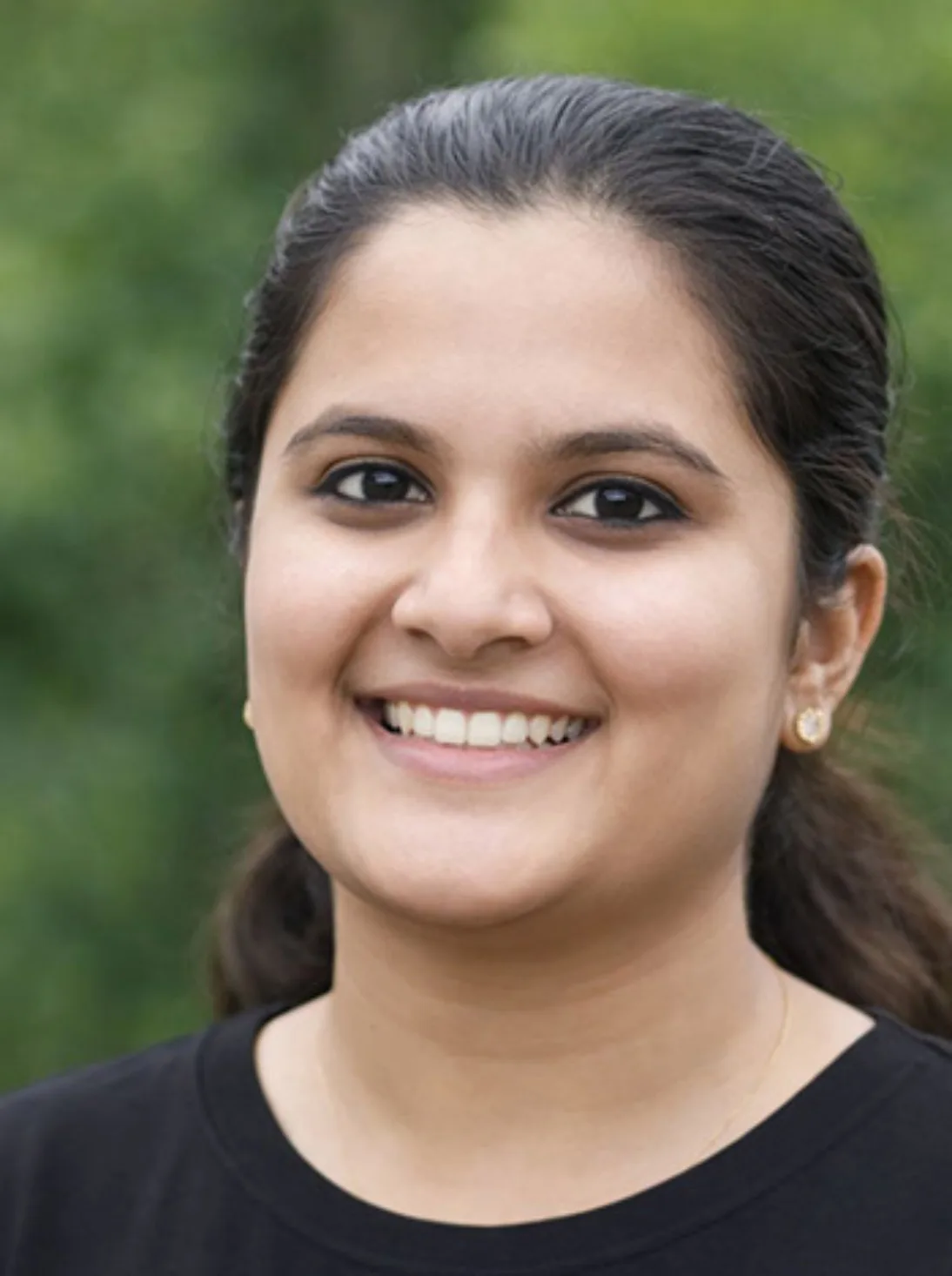
Dr. Harshini Kappagantula
Consulting Psychologist specialising in Cognitive Behavioural Therapy for Insomnia (CBT-I). Works with adolescents and adults experiencing sleep disturbances, anxiety, and stress-related concerns.
Hundreds sleeping better with RemeSleep
"“My snoring was ruining both our sleep. RemeSleep’s tailored study stood out. Six months in, I’m sleeping better than ever.”"
Abhishek Agarwal
Verified Patient
"“The personalised program and diet sessions were game-changers. After battling insomnia for over a year, my sleep finally improved.”"
Nabeel Merchant
Verified Patient
"“RemeSleep’s treatment changed everything after 3 years of sleepless nights. I finally feel rested and my energy is back.”"
Tanay Pais
Verified Patient
Hear directly from our patients

Sleep Apnea
Dinesh’s Journey to Restful Nights
“RemeSleep’s treatment changed everything after 3 years of sleepless nights.”

Snoring
Sneha Stopped Snoring in Weeks
“Now my husband and I both sleep better than ever.”

Insomnia
Ankita Beat Insomnia Without Pills
“CBT-I finally helped me sleep naturally after 2 years of suffering.”
Expert insights on sleep health
View All ArticlesSleep Apnea
Sleep Apnea Symptoms: 10 Warning Signs You Shouldn’t Ignore
Recognise the 10 key symptoms of sleep apnea – from loud snoring to morning headaches. Learn when to see a doctor and how an at-home sleep study can help.
Read article →Snoring
How to Stop Snoring: 16 Tips to Sleep Softly
Tired of snoring ruining your sleep? Discover 16 effective tips to stop snoring and enjoy a night of quiet, restful slumber.
Read article →CPAP
CPAP Machine Cost in India: Everything You Need to Know
A comprehensive guide to CPAP machine pricing, types, and what to look for when buying a CPAP machine in India.
Read article →Got Questions?
Frequently Asked Questions
Get Started
Book Your Sleep Study
Choose the sleep study package that's right for you. All kits are delivered to your doorstep with free shipping across India.
Basic At-Home Sleep Study
FDA-approved at-home sleep screening kit delivered to your doorstep. Ideal for initial screening of sleep apnea and snoring disorders.
Advanced At-Home Sleep Test
Comprehensive multi-channel sleep study with detailed respiratory and cardiac monitoring. Recommended for complex or suspected severe sleep apnea.
Sleep Specialist Consultation
One-on-one video consultation with a board-certified sleep medicine specialist to discuss your symptoms and next steps.
Start Tonight
READY TO SLEEP BETTER?
Take our 5-minute quiz or book a free consultation with an expert somnologist.