
Can’t switch off your brain at night? Join the club. Millions of us lie awake staring at the ceiling, watching the hours tick by, dreading tomorrow’s exhaustion before it even arrives.
Here’s what nobody tells you: the problem usually isn’t that you can’t sleep. It’s that your habits, environment, or body are working against you without you even realizing it.
Good news, though most sleep issues have surprisingly simple fixes. No sleeping pills required. Let’s get into it.
Why Does This Matter?
Sleep deprivation does more than make you grumpy. Your immune system weakens. Memory suffers. Weight gain becomes easier. Heart problems become more likely.
Is 6 hours of sleep enough?
For most adults, no. Your body needs 7-8 hours to complete all the stages of the sleep cycle, including the crucial REM sleep, where your brain processes emotions and locks in learning. Cut that short repeatedly, and you’re running on fumes.
Must read: How Does a Sleep Study Work? Everything You Need to Know
Tip 1: Stop Eating Heavy Meals Before Bed
That late-night biryani might taste amazing, but your digestive system won’t thank you for it at 2 AM.
When you eat high-fat foods close to bedtime, your body has to work overtime to digest everything. This keeps your metabolism revved up exactly when it should be winding down. The result? You either can’t fall asleep, or you get that less restorative sleep where you wake up feeling like you barely rested.
Try to finish your last big meal at least 3 hours before you plan to sleep. If you’re genuinely hungry later, keep it light: a banana, some warm milk, and a handful of almonds. Nothing that’ll have your stomach doing gymnastics all night.
Tip 2: Skip the Alcohol Before Bed
“But alcohol makes me drowsy!” Sure, it does. That’s the trap.
Alcohol before bed might knock you out faster, but it seriously messes with your sleep cycle. You end up spending less time in deep sleep and REM sleep, the stages that actually restore your body and mind. You’ll also wake up more often, even if you don’t remember it in the morning.
That wine with dinner? Fine. That nightcap right before bed? Skip it if you actually want to wake up refreshed.
Must read: Mouth Breathing And Sleep Disorders In Children
Tip 3: Figure Out the Best Sleeping Position
People always ask: which side is best to sleep on? Which side is better for digestion? What’s the best posture to sleep in?
Sleeping on your left side helps with digestion and reduces acid reflux. If you snore or have obstructive sleep apnea, side sleeping keeps your airway more open than back sleeping.
Back sleeping works for neck or spine issues, just use a proper pillow support. Stomach sleeping? Most experts say to avoid it because it strains your neck and back.
Experiment and pay attention to how you feel each morning. Your body will tell you what works.
Tip 4: Get Your Sleeping Direction Right
This one might sound old-fashioned, but hear me out.
In which direction should we sleep? Traditional wisdom, especially in Vastu and Ayurveda, suggests that the best direction to sleep is with your head pointing south or east. The idea is that sleeping with your head north can disrupt blood circulation because of Earth’s magnetic field.
Now, whether you believe the science behind this is up to you. But plenty of people swear they sleep better after switching their bed orientation. It costs nothing to try, right? If you’ve been struggling with sleep issues and can’t figure out why, maybe give this a shot.
Tip 5: Create a Sleep-Friendly Environment
Your bedroom should feel like a cave, dark, cool, and quiet.
Light messes with melatonin production. That blue light from your phone or laptop? Terrible for sleep. Screens trick your brain into thinking it’s still daytime. Try to put devices away at least an hour before bed.
Temperature matters too. Most people sleep best when their room is slightly cool around 18-22°C. Too hot and you’ll toss and turn all night.
And noise? If you can’t control it (traffic, neighbors, snoring partner), try white noise or earplugs. Your sleep hygiene improves dramatically when your environment stops fighting you.
Must read: Sleep Paralysis 101: What Happens When You Can’t Move
Tip 6: Stick to a Consistent Sleep Schedule
Your body runs on a sleep-wake cycle, basically an internal clock that tells you when to feel alert and when to feel sleepy. Every time you stay up late on weekends or sleep in randomly, you confuse this clock.
The fix is boring but effective: go to bed and wake up at roughly the same time every day. Yes, even on weekends. Within a few weeks, your body starts anticipating sleep at that hour, and falling asleep fast becomes much easier.
This is honestly one of the best tips for insomnia that doesn’t involve any medication or fancy gadgets. Just consistency.
Tip 7: Move Your Body During the Day
Regular physical activity improves sleep quality, helps you fall asleep faster, and increases the time you spend in deep sleep stages. It also tires you out in a healthy way, not that frazzled exhaustion from stress, but genuine physical tiredness that makes sleep feel natural.
Don’t exercise right before bed. Working out too close to sleep time can actually keep you awake because your body is still pumped up. Aim for morning or afternoon workouts instead.
Must read: How to Cure Insomnia in 12 minutes: Proven Techniques for Good Sleep
When These Tips Aren’t Enough
Sometimes sleep problems go deeper than habits. If you’ve tried everything and still can’t sleep, or if you wake up gasping, snore loudly, or feel exhausted no matter how long you sleep, there might be something else going on.
Sleep apnea symptoms include loud snoring, waking up with a dry mouth, morning headaches, and feeling tired even after a full night’s rest. Obstructive sleep apnea is more common than you’d think, and it requires proper diagnosis.
Sleep paralysis, where you wake up but can’t move, is another condition that freaks people out. It’s usually harmless but can signal disrupted sleep patterns that need attention.
Don’t just reach for sleeping pills or sleep aids as your first solution. Sleeping pills’ side effects can include grogginess, dependence, and actually making sleep quality worse over time. They’re meant to be short-term fixes, not permanent solutions.
How RemeSleep Can Help
At RemeSleep, we figure out what’s actually wrong and treat the root cause, not just mask symptoms with pills.
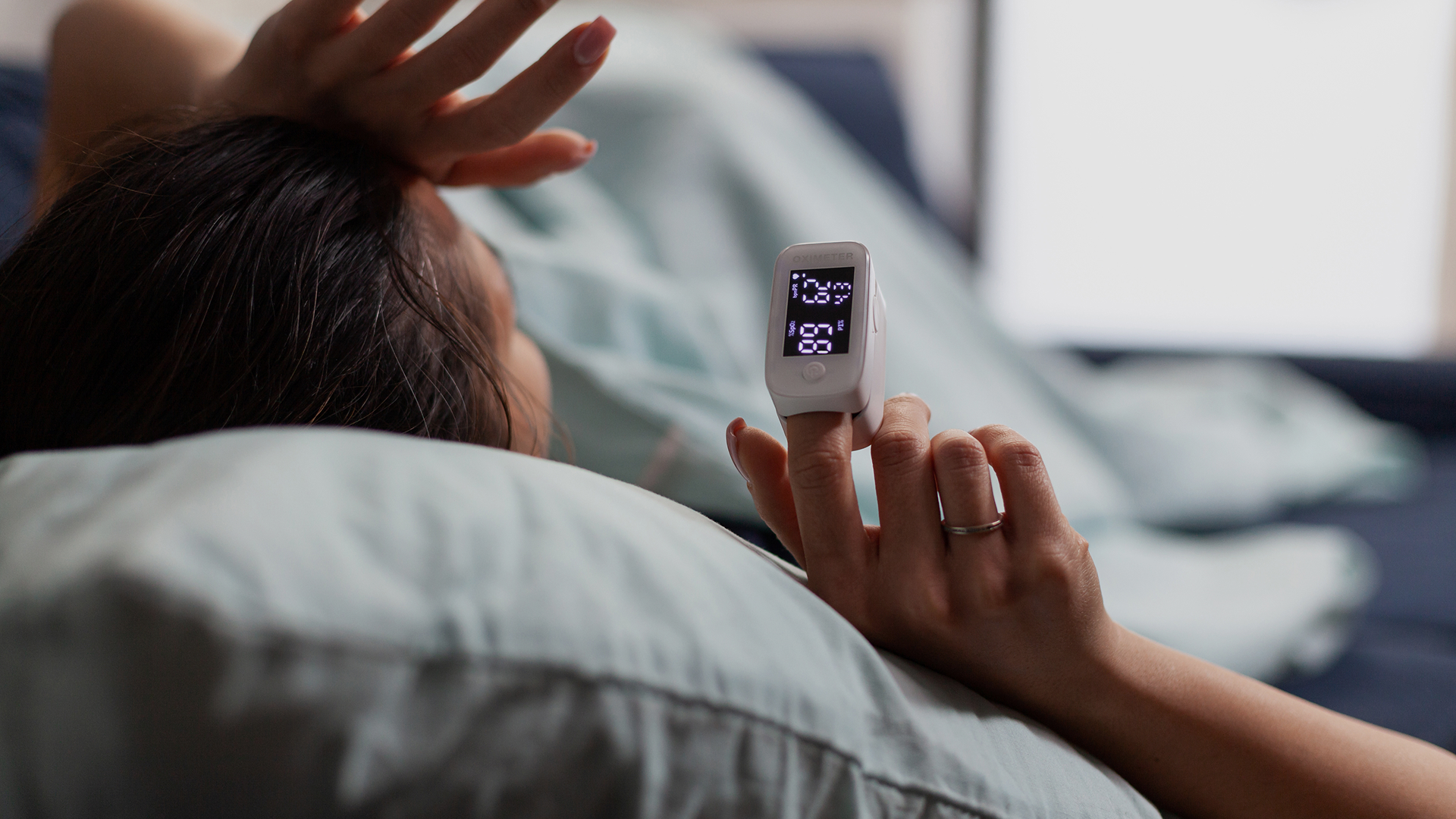
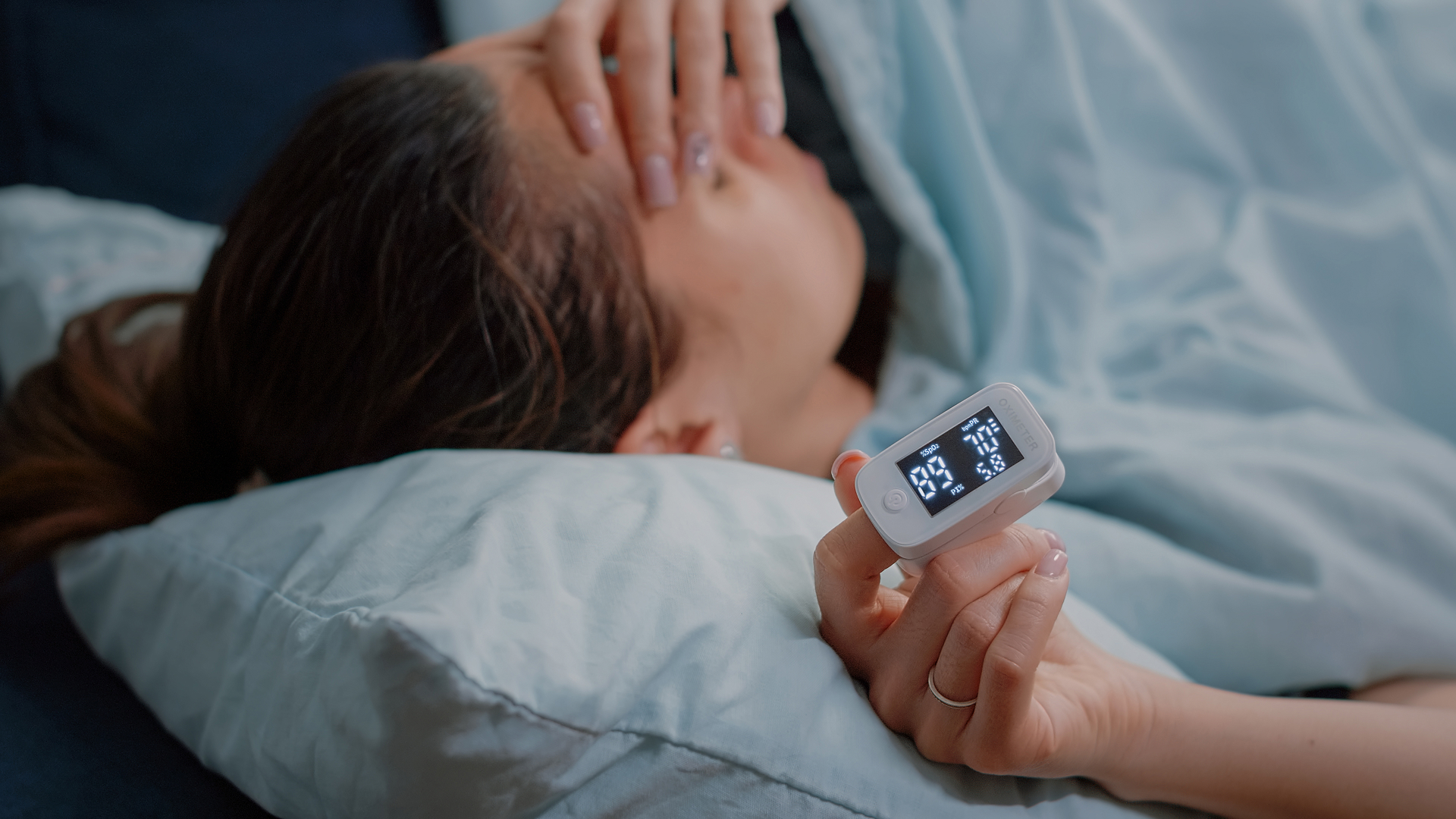
Our home sleep studies monitor your breathing, oxygen levels, and heart rate while you sleep in your own bed. For sleep apnea, we offer CPAP therapy with proper guidance. For insomnia treatment, our therapists use CBT-I, a pill-free approach recommended by the American Academy of Sleep Medicine.
We also provide lifestyle and nutrition guidance because what you eat and how you manage stress directly affect your sleep cycle.