
You slept eight hours. So why does your body feel like it got two? Your coffee stopped working weeks ago. Your brain turns foggy by noon. Your partner moved to the guest room because your snoring rattles the walls. You drag yourself through each day wondering if this is just how life feels now.
It does not have to be this way.
Millions of Indians live with undiagnosed sleep disorders. They blame stress. They blame their mattress. They blame getting older. But the real problem hides in what their body does while they sleep. A sleep study test reveals those hidden patterns. It gives you answers that guessing never will.
When Sleep Problems Become Something More
Rajesh is 42. Works in IT. Sleeps by 11 pm every night. Wakes up at 7 am. Eight full hours on paper. But he felt wrecked every single morning.
His wife complained about his snoring for years. He brushed it off. Then he started dozing off during client calls. His blood pressure crept up without explanation. His doctor referred him to a pulmonologist who suggested a sleep study.
The results shocked him. Rajesh stopped breathing 38 times every hour while sleeping. His oxygen levels dropped dangerously low throughout the night. He had severe obstructive sleep apnea. Never knew it. Never suspected it.
Within two weeks of starting treatment, his energy came back. His blood pressure stabilized. His wife moved back into the bedroom.
This story plays out in homes across India every day. The only difference between suffering and recovery is getting tested.
What Is A Sleep Study?
A sleep study is a diagnostic test that monitors your body while you sleep. Doctors and sleep specialists call it polysomnography. That is just a fancy medical term for watching your body while you rest. Think of it as a full health report card for your sleep.
The test records brain activity. It tracks breathing patterns. It measures oxygen levels in your blood. It monitors heart rate and muscle movements throughout the night. All this data helps a somnologist or pulmonologist identify disorders you never knew existed.
From your end, the test feels simple. You sleep. The equipment does the heavy lifting. But the information it captures can explain years of unexplained exhaustion.
Who Needs A Sleep Study Test?
Not everyone who sleeps poorly needs a sleep study. But certain symptoms signal that something deeper is going on.
Talk to a pulmonologist or somnologist if you experience:
- Loud snoring that disturbs your partner or family
- Gasping or choking sounds during sleep
- Waking up with headaches most mornings
- Crushing daytime fatigue despite sleeping enough hours
- Difficulty falling asleep or staying asleep through the night
- Restless legs that keep you tossing and turning
- Falling asleep suddenly during the day without any warning
- Memory problems and trouble concentrating at work
These symptoms point toward conditions like sleep apnea, insomnia, narcolepsy and restless leg syndrome. A polysomnography test confirms what is actually wrong so proper treatment can begin.
What Does A Sleep Study Test Measure?
Think of a sleep study as your body’s night shift supervisor. It watches everything happening while your conscious mind switches off.
- Brain waves (EEG): Tracks your sleep stages throughout the night. Shows whether you get enough deep sleep and REM sleep. Both matter for waking up refreshed.
- Eye movements (EOG): Records what your eyes do during different sleep phases. Helps your somnologist identify cycle disruptions that affect sleep quality.
- Heart monitoring (EKG): Watches your heart rhythm throughout the night. Sleep apnea puts serious strain on the heart. This catches early warning signs before bigger problems develop.
- Breathing patterns: Measures airflow through your nose and mouth. Detects those dangerous pauses in breathing that happen with obstructive sleep apnea.
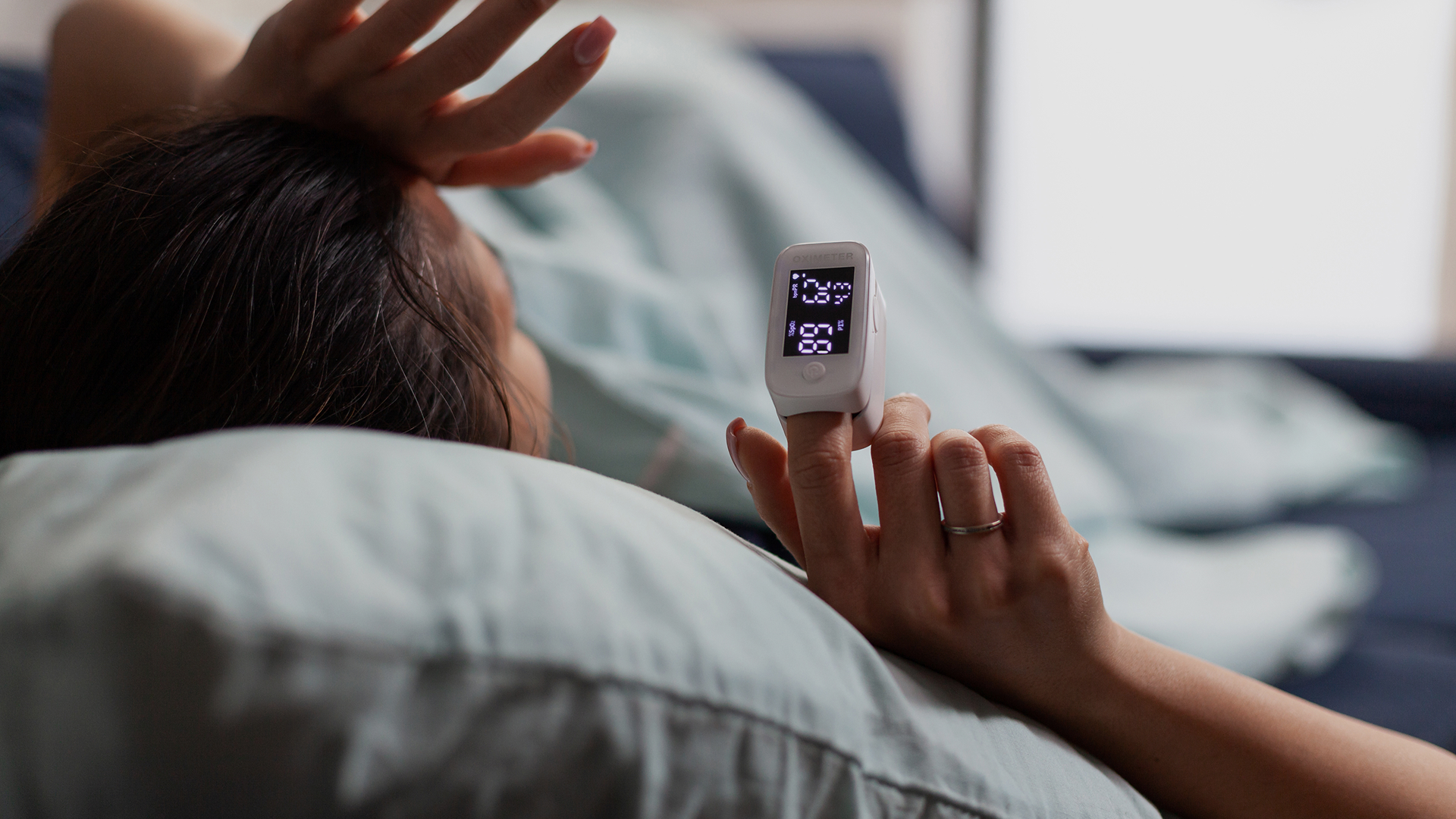
- Oxygen levels: Tracks blood oxygen saturation. Drops during sleep signal breathing problems that need immediate attention from a pulmonologist.
- Muscle activity: Records leg movements and body position. Identifies restless leg syndrome and other movement disorders.
One night of proper monitoring reveals what years of guessing never could.
Types Of Sleep Study Tests
Not all sleep studies work the same way. Your pulmonologist or somnologist recommends the type based on your specific symptoms.
Level 1: In Lab Polysomnography Best for: Complex cases needing detailed analysis
The most thorough option available. You spend one night at a sleep center or hospital sleep lab. A trained technician monitors you while sensors record everything. This test catches conditions that simpler tests might miss entirely.
Level 2: Attended Home Sleep Study Best for: Patients who struggle to sleep in unfamiliar places
A technician sets up equipment at your home and monitors your sleep remotely. You rest in your own bed. Many patients get more accurate results because they sleep better in familiar surroundings.
Level 3: Home Sleep Apnea Test Best for: Suspected sleep apnea cases
The most convenient choice for most people. You wear a portable device at home that tracks breathing, heart rate and oxygen levels. Lower cost. No travel required. Results come back within days.
MSLT (Multiple Sleep Latency Test) Best for: Diagnosing narcolepsy and excessive daytime sleepiness
A daytime test that measures how quickly you fall asleep during waking hours. Somnologists use this to assess severe daytime sleepiness and confirm narcolepsy diagnosis.
What Happens During A Sleep Study?
The process feels straightforward once you know what to expect.
Before the test: Skip caffeine and alcohol on test day. Both mess with sleep patterns and skew your results. Avoid afternoon naps even if you feel tired. Bring comfortable sleepwear you normally use. Do not apply lotions or hair products since they interfere with sensor placement.
During the test: A technician attaches small sensors to your scalp, face, chest and legs. Completely painless. Nothing invasive. The room stays dark and quiet to help you fall asleep naturally. You sleep while equipment records everything happening in your body. Even partial sleep provides valuable data for diagnosis.
After the test: A somnologist or pulmonologist analyzes your recorded data. Results typically arrive within a few days to two weeks depending on the facility. The report includes metrics like your Apnea Hypopnea Index which shows sleep apnea severity. Your doctor explains findings clearly and recommends the right treatment approach.
Common Sleep Disorders Diagnosed By Sleep Studies
Obstructive Sleep Apnea (OSA)
The number one reason people get sleep studies done. Your airway collapses repeatedly while you sleep. Breathing stops for seconds at a time. Oxygen levels drop. Loud snoring and gasping sounds are the classic signs your partner notices first. Left untreated sleep apnea increases your risk of heart disease, stroke, diabetes and high blood pressure.
Insomnia
Difficulty falling asleep or staying asleep affects millions of Indians. A sleep study helps identify underlying causes. It also rules out other conditions that look like insomnia but require different treatment.
Narcolepsy
Sudden sleep attacks hit without any warning. People fall asleep mid conversation or while working. A sleep study combined with daytime testing helps your somnologist confirm the diagnosis accurately.
Restless Leg Syndrome
An uncomfortable urge to move your legs disrupts sleep night after night. Symptoms get worse when you lie down. A polysomnography test records these movements and confirms whether this condition is affecting your rest.
What Happens After Your Sleep Study?
Treatment depends entirely on what your sleep study reveals.
- For sleep apnea: CPAP therapy is the gold standard. The machine delivers continuous air pressure through a mask while you sleep. Keeps your airway open throughout the night. Many patients notice dramatic improvement within the first week. Your pulmonologist monitors progress and adjusts settings as needed.
- For insomnia: Cognitive behavioral therapy helps retrain your sleep habits over time. Medication provides short term relief when necessary.
- For restless leg syndrome: Lifestyle changes combined with medication manage symptoms effectively for most patients.
- For narcolepsy: Specific medications control daytime sleepiness and prevent those sudden sleep attacks that disrupt daily life.
Why Choose RemeSleep For Your Sleep Study?
RemeSleep brings the sleep lab to your doorstep. No hospital stays. No unfamiliar beds. No disrupted routines. Just answers and a clear path toward better rest. Our team includes experienced somnologists and pulmonologists who specialize in sleep medicine. They guide you through every step from testing to treatment. We offer convenient home sleep study options across major cities in India. For complex cases requiring detailed analysis our sleep centers provide comfortable environments with advanced monitoring equipment.
What sets ReMe Sleep apart:
- Home testing options designed around your schedule
- Expert analysis by certified somnologists and pulmonologists
- Quick turnaround on results with clear explanations
- Personalized treatment plans including CPAP therapy setup
- Ongoing support and follow up throughout your recovery journey
Poor sleep does not just make you tired. It clouds your thinking. It shortens your patience. It strains your relationships. It damages your health quietly over months and years. A sleep study test is the first step toward understanding what is actually happening and fixing it.
Frequently Asked Questions
Is a sleep study test painful?
Not at all. The sensors attached during the test are completely painless. Some patients notice mild skin irritation from the adhesive but this clears up quickly after removal. The process feels less invasive than most people expect.
Can I do a sleep study at home?
Yes. Home sleep apnea tests use portable devices that monitor breathing, heart rate and oxygen levels while you sleep in your own bed. Many patients prefer this option because they sleep better at home. Ask your pulmonologist if home testing suits your situation.
How long does a sleep study take?
Overnight studies need about 7 to 8 hours of sleep time. You arrive in the evening and leave the next morning. Results from your somnologist typically arrive within a few days to two weeks depending on the facility.
What should I avoid before a sleep study?
Skip caffeine and alcohol on the day of your test. Both substances affect sleep patterns and can distort your results. Avoid taking afternoon naps even if tired. Do not apply lotions, gels or hair products as they interfere with sensor placement.