
Is your child sleeping with their mouth open? Snoring at night? Waking up tired and cranky? It might seem harmless, but mouth breathing in children can be a sign of something more serious, and it’s closely linked to sleep disorders in children. Many parents don’t realize that a child mouth breathing problem can disrupt their sleep, affect their behaviour and even impact their growth and development. Let’s break it down.
What Is Mouth Breathing in Children?
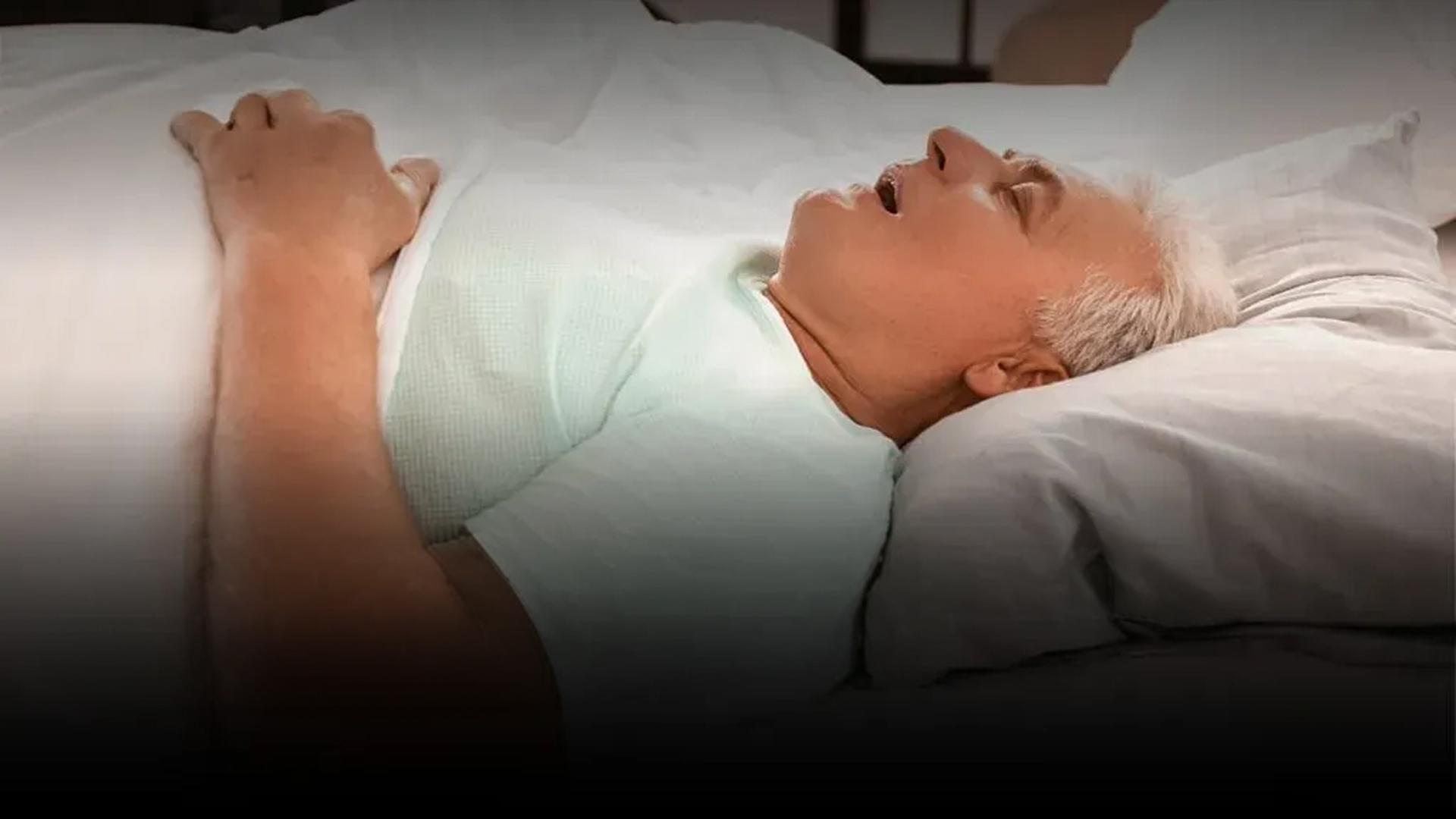
Mouth breathing during sleep is exactly what it sounds like, breathing through the mouth instead of the nose. Occasional mouth breathing during a cold is normal. But chronic breathing, especially at night is not. The nose is designed to filter, warm and humidify the air we breathe. When children bypass this while breathing with their mouth. It can lead to a range of health and sleep problems in children.
What are the causes of Mouth Breathing in Children?
What causes a child sleeping with open mouth? Several factors can be responsible:
- Nasal congestion (allergies, colds, sinus infections)
- Enlarged adenoids and mouth breathing are one of the most common causes
- Tonsils and sleep problems in children: Enlarged tonsils block the airway
- Deviated septum
- Chronic allergies
- Habit (even after the original cause is resolved)
If your child’s nose is blocked or partially obstructed, they will naturally switch to mouth breathing, especially at night. This leads to breathing problems during sleep in children and breathing issues at night in kids. Similarly, adenoids in children and snoring are closely connected, as when adenoids are enlarged, they block the nasal passages forcing the child to breathe through their mouth.
Also read: CBT-I vs. Sleeping Pills: Why Therapy is the Safer and More Effective Choice
The Connection: Mouth Breathing and Sleep Disorders
Here’s where it gets serious. Mouth breathing and sleep disorders are strongly linked. In fact, mouth breathing during sleep is one of the key signs of sleep-disordered breathing in children.
How Mouth Breathing Affects Child Sleep
Is mouth breathing bad for children at night? Yes. Here’s why: When a child breathes through their mouth during sleep, the airway becomes narrower. This can cause:
- Snoring in Children During Sleep
What causes snoring in children? Mouth breathing is one of the main causes of snoring in children. When air passes through a narrowed airway, it vibrates the soft tissues, causing that snoring sound. Snoring in children is NOT normal. It’s a sign that the airway is partially blocked. - Obstructive Sleep Apnea in Children
Can mouth breathing cause sleep apnea in children? Yes, it can. Pediatric sleep apnea or obstructive sleep apnea in children occurs when the airway repeatedly collapses during sleep, causing pauses in breathing. This is a serious child sleep breathing disorder that needs medical attention. Sleep apnea in children is more common than most parents think, especially in children with enlarged tonsils or adenoids. - Poor Sleep Quality in Children
Even without full apnea, the effects of mouth breathing on sleep include disrupted deep sleep. Children may sleep for 8-10 hours but still wake up tired because they never reach restorative sleep stages. Disturbed sleep in children affects everything: mood, energy, focus, and growth. - REM Sleep Behavior Disorder in Children
In some cases, breathing problems during sleep in children can affect REM sleep cycles, contributing to REM sleep behavior disorder in children, where children act out dreams or have abnormal movements during sleep.
Signs and Symptoms of Mouth Breathing in Kids
Symptoms of mouth breathing in kids and signs of sleep disorders in children include:
- Sleeping with mouth open
- Snoring in children (even light snoring)
- Restless sleep or frequent tossing/turning
- Gasping or pausing breath during sleep
- Waking up with dry mouth or bad breath
- Bedwetting (in older children)
- Daytime fatigue or irritability
- Difficulty concentrating at school
- Hyperactivity or behavioural issues
- Dark circles under eyes
- Frequent morning headaches
Important: Many children with pediatric sleep disorders are misdiagnosed with ADHD because the symptoms overlap.
Also read: Paradoxical Insomnia: A disorder of your perception
Mouth Breathing and Behavioral Problems in Children
Here’s something many parents don’t know. Sleep disorders may lead to maladaptive behaviour in children. When children don’t sleep well, their brains don’t get the rest they need, leading to:
- Irritability and mood swings
- Hyperactivity
- Aggression
- Poor impulse control
- Difficulty focusing
- Learning difficulties
Mouth breathing and behavioral problems in children are connected. Fix the breathing, and behaviour often improves.
Studies show that children with untreated sleep disordered breathing in children are more likely to struggle academically and socially.
Long-Term Effects of Untreated Mouth Breathing
If left untreated, chronic mouth breathing in kids can lead to:
- Facial development changes (long face syndrome, recessed chin, narrow palate)
- Crooked teeth and bite problems
- Poor growth and development
- Learning difficulties
- Behavioural issues
- Weakened immune system
- Chronic fatigue
- Speech problems
Early intervention is key.
When to See a Doctor
Consult a pediatric ENT or sleep specialist if your child:
- Snores regularly (3+ nights a week)
- Gasps or pauses in breathing during sleep
- Sleeps with mouth open consistently
- Is always tired despite adequate sleep
- Has difficulty focusing or behavioural problems
- Shows signs of poor growth
A pediatric sleep study can help diagnose underlying pediatric sleep disorders and determine the severity of the problem.
Treatment for Mouth Breathing in Children
Treatment for mouth breathing in children depends on the underlying cause:
For Allergies/Congestion:
- Nasal sprays and saline rinses
- Antihistamines
- Allergy management and avoidance of triggers
For Enlarged Tonsils/Adenoids:
- Adenotonsillectomy (removal of tonsils and adenoids) is often highly effective for adenoids in children and snoring
- This is one of the most common treatments for obstructive sleep apnea in children
For Habit-Based Mouth Breathing:
- Myofunctional therapy (exercises to strengthen oral and facial muscles)
- Breathing retraining exercises
- Mouth taping (under medical guidance)
Snoring in Children: Home Remedies
While medical treatment is often necessary, some snoring in children home remedies can help:
- Elevate the head while sleeping
- Use a humidifier in the bedroom
- Keep the room free of allergens
- Saline nasal rinses before bed
- Encourage side sleeping instead of back sleeping
- Keep the child hydrated
Note: Home remedies can help mild cases, but are NOT a substitute for medical treatment in cases of sleep apnea in children or severe sleep problems in children
Also read: Are Sleeping Pills Really Safe?